Federal court is different. The rules, the prosecutors, the prisons, and the penalties all hit harder. A federal prison consultant runs the hands-on work your attorney was not trained to do, so the biggest decisions don’t slip past you.

The Short Answer
If you, a family member, or a client is facing federal charges or sentencing, a federal prison consultant fills a gap. Your attorney handles the law. The consultant handles the operational work that runs alongside it.
That work includes the personal-history and mitigation file that feeds your PSR objections, Bureau of Prisons (BOP) designation advocacy after sentencing, First Step Act and RDAP planning, family logistics, and life after prison. Most defense attorneys don’t have the time or BOP-side training to run this track at depth.
In FY2024, 61,678 people were sentenced in federal court (USSC Annual Report, 2024). 97% pled guilty. The prison phase is where real outcomes are decided. Most defendants get almost no help with it.
Federal court is its own world. The rules are different. The prosecutors are different. The prisons are different. The penalties last longer.
Most families don’t see how complex the system is until the biggest choices are days away. A federal prison consultant takes the wheel during that window.
The work is hands-on, not legal. We work next to your defense attorney. We prepare documents, help with the presentence interview, push for the right BOP placement, and build a real plan to cut time.
That plan can include First Step Act earned-time credits and RDAP. Both can shorten your sentence, but only if the paperwork is right from the start.
This page answers the questions families ask most. When should you call? What does a consultant do that the lawyer doesn’t? Why are federal cases different? How do you know you’re in the right place?
If you’d rather just talk to someone, the call is free and private. Call or text 612-605-3989 any time.
When Should You Call a Federal Prison Consultant?
The earlier the better. But no stage is too late. The most powerful window is the 60 to 120 days before sentencing.
That is when the presentence report gets written, the sentencing memo gets drafted, and the BOP placement gets shaped.
After sentencing, the work shifts. Now it’s BOP appeals, halfway-house placement, RDAP enrollment, and reentry planning. Here is the decision matrix we walk every new client through.
Pre-Indictment or Target Letter Stage
You got a target letter or subpoena. You learned you are under federal investigation. We help with risk review, saving documents, mitigation planning, and family logistics.
Choices made here, like whether to cooperate, often shape the whole case.
Post-Indictment, Pre-Plea
An indictment is filed. Talks with prosecutors have started. Your attorney handles the deal.
Your consultant builds the mitigation file. We pull together substance-abuse records, work history, and family background. That paperwork supports a better plea deal.
Post-Plea, Pre-Sentencing
This is the highest-impact stage. Federal law (18 U.S.C. § 3552(a)) requires a presentence report. You will meet with a U.S. Probation Officer.
The draft PSR is shared 35 days before sentencing under Fed. R. Crim. P. 32(e)(2). You have just 14 days to file written objections under Rule 32(f)(1).
Every PSR paragraph has BOP effects later. A consultant who knows those effects is what stands between an accurate report and one that follows your loved one for years.
Post-Sentencing, Pre-Surrender
Sentence is set. Surrender date is set. Now the work is BOP placement advocacy, judicial recommendations, RDAP screening, programming, family visits, and self-surrender prep.
Even what you wear at surrender matters.
In-Custody and Reentry
If your loved one is already placed, we push for transfers, programming, halfway-house spots, and compassionate release when it applies.
We also plan reentry. That way the family is ready on release day, not scrambling.
What a Federal Prison Consultant Actually Does
The job sits between defense work and prison administration. Your attorney argues the law. Your consultant runs the parallel work that decides what really happens after the gavel falls.
Here are the kinds of work that lead to real results.
Presentence Report Strategy
The PSR is the most powerful paper in any federal case. The judge reads it line by line at sentencing. The BOP uses it to score your security level under Program Statement 5100.08.
A consultant builds the personal-history binder. We sit in on the probation interview with your lawyer. We write Rule 32 objections inside the 14-day window.
We also make sure the offense story matches the plea deal, not the prosecutor’s spin.
Sentencing Mitigation
Federal judges granted non-government downward variances in 33.0% of FY2024 cases (USSC 2024 Sourcebook). Those variances don’t happen by accident.
They follow strong sentencing memos. The memo walks the 18 U.S.C. § 3553(a) factors with real evidence, character letters with real detail, and forensic mitigation reports when needed.
Consultants gather, organize, and shape this material. Then the attorney argues it.
Bureau of Prisons Designation
The BOP Designation and Sentence Computation Center applies PS 5100.08 to score your security level using PSR data.
A clean PSR plus the right judicial recommendation can move a defendant from a low-security prison to a camp. That change reshapes visits, programming, and time served.
Placement advocacy is what consultants do best.
First Step Act and RDAP
Under 18 U.S.C. § 3632(d)(4)(D), people serving time for crimes on the FSA disqualifying list cannot earn time credits. No matter how much programming they finish.
The offense-conduct part of the PSR controls that ruling. So PSR language matters.
The Residential Drug Abuse Program (RDAP) can cut a sentence by up to 12 months. It is open to non-violent offenders who qualify under 18 U.S.C. § 3621(e)(2)(B) and finish the program.
Both paths start with paperwork the BOP reads months before anyone arrives at the gate.
Family and Reentry Logistics
Most families face this work for the first time during the worst weeks of their lives. A consultant runs the playbook so you don’t have to figure it out alone. The list covers:
- Visitation: approved-visitor lists, scheduling, dress codes, and what kids can bring.
- Commissary and trust accounts: setting up deposits so funds are ready on day one.
- Phone and email accounts: getting your loved one approved for contact within the first week.
- Financial responsibility: fines, restitution payment schedules, and BOP IFRP enrollment.
- Employer communication: what to say, when to say it, and how to protect the job where possible.
- School support for kids: teacher letters, counselor coordination, and a plan for hard conversations.
- Halfway-house planning: early placement requests, home-confinement paths, and reentry timing.
How Federal Cases Differ From State Cases
The federal court is its own world. The U.S. Sentencing Guidelines are advisory, not strict. But Article III judges still lean on them hard.
The Bureau of Prisons runs under its own federal law, separate from any state DOC. Sentencing factors live in 18 U.S.C. § 3553(a). Procedure lives in the Federal Rules of Criminal Procedure.
The U.S. Sentencing Commission posts the data each year.
The data tells the story. The average federal sentence in FY2024 was 52 months (USSC Annual Report, 2024). 48% of defendants landed in Criminal History Category I, the lowest. 82% of that group had zero prior criminal history points. Most federal defendants are first-time offenders facing more prison time than anything in their county court.
The system runs on procedure, paperwork, and pre-sentencing work, not the trial drama families see on TV.
Federal prison is also not state prison. The BOP runs 122 sites across security levels, regional medical centers, and admin facilities.
Placement depends on PSR scoring, judge recommendations, programming needs, and family location. First Step Act credits, RDAP cuts, and halfway-house spots are set by national policy, not local choice.
A federal prison consultant who has lived inside the system understands all this far more than any outsider can.
Who We Help
Federal Defendants
If you face federal charges or sentencing, our job is to win every legal reduction we can. We position your BOP placement right. We prepare you and your family for what comes next.
We work alongside your defense attorney, not against them.
Defense Attorneys
Federal defense attorneys hire us as case consultants. We work on PSR objections, mitigation packages, expert testimony, and BOP placement strategy.
Most federal defense lawyers are great at trial work and plea deals. Few have the time to run the parallel BOP-and-mitigation track at the depth federal sentencing now needs.
Families
Families call us when their loved one is charged or convicted and they don’t know where to start. The first call is private, free, and informational.
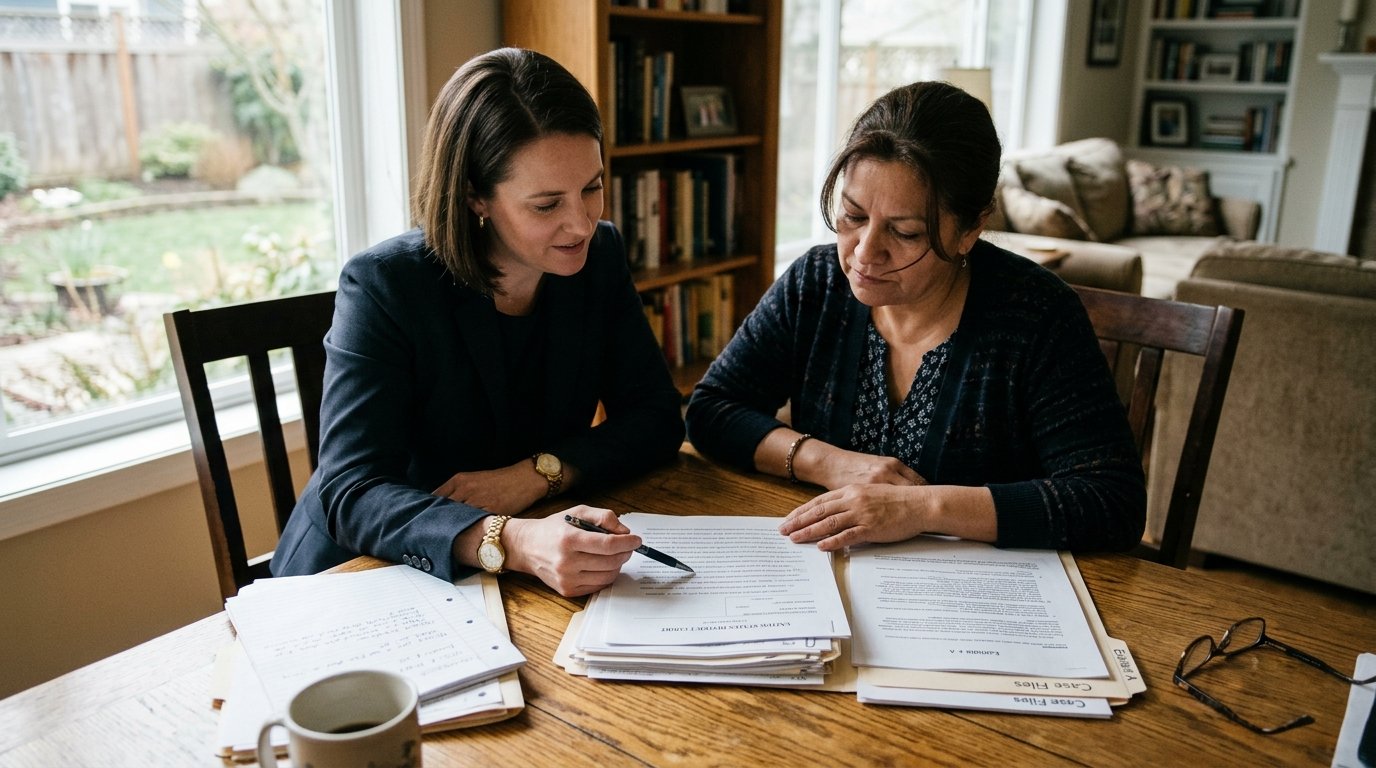
We tell you what to expect, what to do today, and what not to do. If we can help, we’ll be honest about what’s realistic. If we can’t, we’ll say so.
What Sets Federal Case Consulting Apart
Most prison consultants sell services they have never used. We have used them.
Federal Prison Consulting is run by people who served federal time, finished RDAP, and worked through First Step Act credits from the inside.
That history is not marketing. It is the only way to tell you whether a specific prison runs RDAP cleanly, how a certain DSCC officer reads PSR language, and what a halfway house in your home district will and will not approve.
We work in all 94 federal judicial districts. Federal rules are national. But every district has its own probation office culture, judge tendencies, and U.S. Attorney’s Office posture.
Our practice covers those differences. Our intake call finds the district-level factors that will affect your case before we agree to take it on.
Our Process: From First Call to Reporting Day
Step 1: Free Consultation
You call or text 612-605-3989, or use the consultation form. The first call runs 30 to 45 minutes. It is private and free.
We listen, ask the right questions, and tell you if and how we can help. If we’re not the right fit, we’ll point you to someone who is.
Step 2: Engagement and Strategy Session
If we move forward, we sign a written engagement. We gather case papers: the indictment, plea deal, draft PSR if you have one, and attorney emails. Then we build a custom roadmap.
The roadmap covers PSR strategy, sentencing mitigation, BOP placement goals, RDAP/FSA planning, family logistics, and reentry. Every step is timed against the case calendar.
Step 3: Active Representation
Through the case, we work directly with your defense attorney. We prep you for the probation interview. We write Rule 32 objections to PSR errors.
We add to the sentencing memo, push for specific judicial recommendations, and stay in front of the BOP placement process.
Step 4: Surrender and Beyond
Once a sentence is given and a placement is issued, we prep you for self-surrender and set up family logistics.
We stay involved during prison: transfer requests, RDAP enrollment, halfway-house referrals, and reentry support. The work doesn’t end at the gate.
Common Situations We Help With
- White-collar federal cases (wire fraud, mail fraud, tax, securities, healthcare): mitigation packages, PSR loss-amount objections, placement to minimum-security facilities, restitution planning.
- Federal drug cases: §5K1.1 substantial-assistance positioning (filed in 13.2% of FY2023 cases per the USSC 2023 Sourcebook), RDAP qualification, safety-valve eligibility.
- Federal firearms cases: §922(g) considerations and BOP custody scoring.
- Immigration-related federal cases: deportation timing and ICE detainer impact on FSA eligibility.
- Compassionate release motions for elderly or medically vulnerable inmates.
- Resentencing’s and Amendment 821 retroactive motions for status-points relief.
If your situation isn’t on this list, that’s not a no. Federal cases are individual. The first call clarifies whether we’re the right team.
Frequently Asked Questions
How is a federal case consultant different from my lawyer?
Your federal defense attorney handles legal strategy, motion practice, plea deals, and courtroom work. A federal case consultant runs the parallel hands-on work: PSR prep, BOP placement, RDAP and First Step Act planning, family logistics, and reentry. The two roles work together. The strongest outcomes come from both working as a team.
How much does a federal case consultant cost?
Engagement fees depend on stage (pre-indictment vs. post-sentencing), case complexity, and scope. The consultation is free. It includes an honest look at what realistic outcomes are and what the engagement would cover. We don’t take cases where the fee isn’t worth it for the family.
When should I call?
The honest answer is yesterday. The 60 to 120 days before sentencing carry the most weight. But no stage is too early or too late. Call when you get a target letter, after indictment, after a plea, before the probation interview, after sentencing, before surrender, or any time something changes. The first call is always free.
Is my conversation confidential?
Yes. Initial calls are private. We only ask what we need to see if we can help. We don’t share information with anyone, including defense counsel, until you sign a written engagement.
Do you work with my attorney?
Yes, in almost every case. We work with your defense attorney from day one. We share documents through their office where appropriate. We support, not duplicate, the legal work. Many of our cases come straight from federal defense attorneys.
You Are in the Right Place
If you found this page, the federal system has already started reshaping your life, or the life of someone you love.
The hardest part is the first call. It makes the situation real. Make it anyway.
Federal sentencing is not the moment to go it alone. Last year, 61,678 people were sentenced in federal court (USSC, 2024). The average sentence was 52 months.
The difference between a prepared defendant and an unprepared one is measured in years of family life.
Federal Case Consulting is run by people who have been through the BOP system. We built our practice so other families don’t have to go through it the hard way.
We work in all 94 federal districts, with defendants, attorneys, and families. The first call is free.
Call or text 612-605-3989 for a free, private call. Or request a call online.